After the term ‘Pilates’ became generic, the Pilates Method has diversified significantly. (You can read more about Pilates history in my previous post)
So many Pilates styles exist nowadays and it can be challenging to find what is right for you.
Here, I propose a categorization to ease navigation in the current market.
1. Classical Pilates; tradition and precision

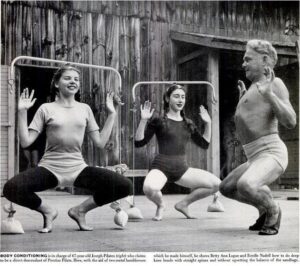
Classical Pilates studios and classes follow directly from the teachings of first-generation teacher Romana Kryzanowska. The exercises are taught as closely as possible to the way that Joseph and Clara Pilates originally taught them and following the same sequences. They use all the pieces of equipment in their original form and offer classes one-on-one or in small groups. There are also studios who follow the teachings of other first-generation teachers, and might refer themselves with different names such as, Lineage, Archival and more.
Classical Pilates might be for you if:
• You are interested in tradition.
• You want to work in a detailed and precise way.
• You like structure and repetition.
2. Contemporary Pilates; science and personalization

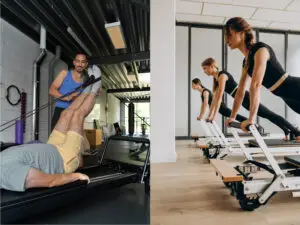
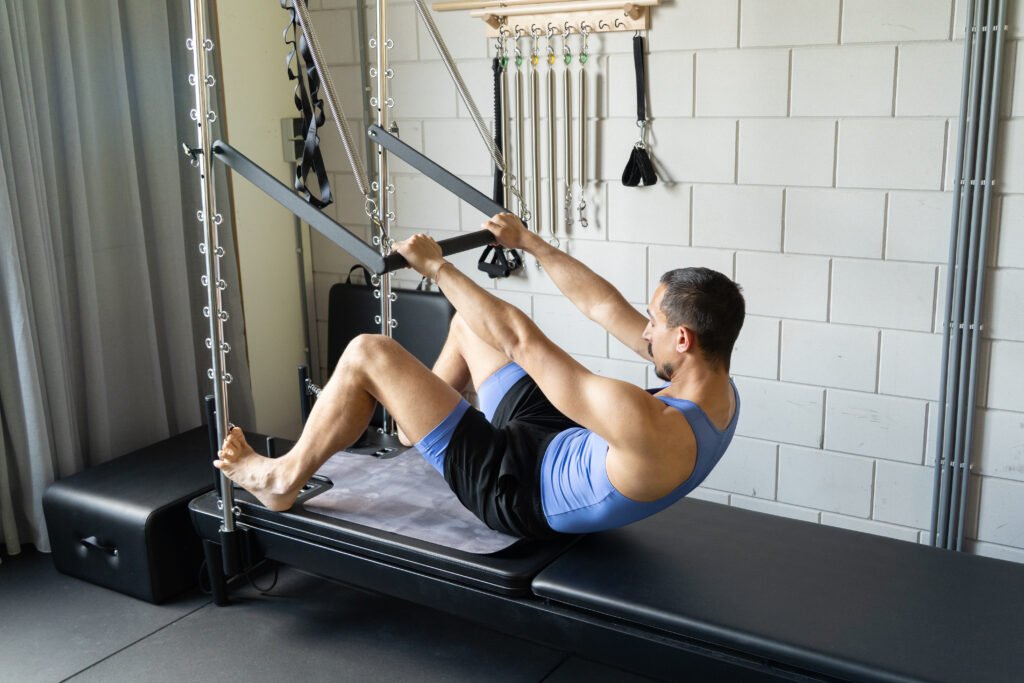
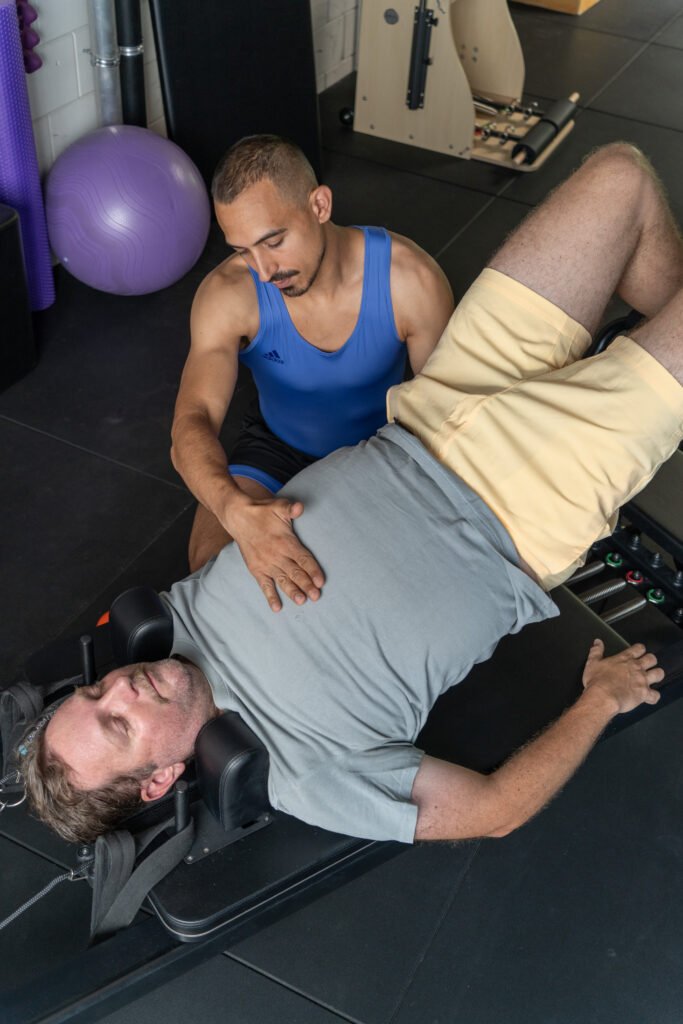
Contemporary Pilates is an umbrella term used to refer to studios or classes that don’t follow the original sequences or a specific lineage and modify the exercises in a more creative way. Usually the purpose is to update the original repertoire with the latest scientific findings and to offer a more personalized training experience. Contemporary Pilates studios often use most of the equipment (Mat, Reformer, Tower, Trapeze Table, Chair) and adjust it to provide more versatility, they also mix in movements and concepts from other methods. Classes are usually offered one-on-one or in small groups.
Contemporary Pilates might be a good choice if:
• You want to work towards you own personal Goals.
• You are/have been injured or have a specific condition.
• You like a flexible structure.
3. Fitness Pilates; large groups and high energy
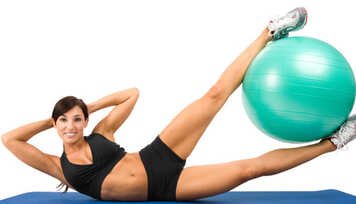
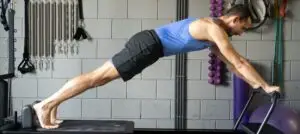
Pilates within the Fitness environment has been there since a long time and it is a growing trend. It is usually instructed in larger group classes with the use of music. It typically mixes exercises from functional fitness, aerobics, dance and Pilates. It can have different focuses, such as ‘sculpting’, sweating, or stretching. More often than not, only a few aspects of the Pilates Method are included. It is usually offered on the Mat or on the Reformer, and sometimes includes hand weights and small props.
Joining a Fitness Pilates class might be right if:
• You want to train specific muscles.
• You enjoy training in a group setting and following instructions.
• Music and high tempo motivates you.
Every teacher, trainer and studio will be unique.
I want to emphasize that every teacher, trainer and studio will be unique.
Classical, Contemporary and Fitness Pilates are therms used to guide you in your journey.
Eventually the only way to really know if that studio or trainer is for you is to book a session and experiencing it yourself.
I believe it is great to know that Pilates can be so diverse, that means that if you didn’t have a good experience somewhere it doesn’t mean Pilates isn’t for you.
A different approach or style might make you fall in love with it!
In Lorenzo’s Pilates Corner, you can expect a contemporary approach to Pilates: personalized Pilates supported by science in Rotterdam.
This is also the style of Polestar Pilates, the international school from which I am certified. Nevertheless, my foundations are rooted in Classical Pilates, which was my first experience with this practice.
I have also worked for many years in the Fitness Pilates environment, recognizing both its benefits and limitations.
My goal is to make Pilates accessible and approachable while honoring Joseph’s and Clara’s legacy towards whole-body health.